Goal 1
We can reduce electricity usage by turning off the lights when not in use and use more energy efficient bulbs like LEDs instead of using traditional fluorescent bulb. This is because LEDs are 80% more energy efficient than fluorescent bulbs, thus emitting less heat and uses less electricity than fluorescent bulbs over a long period of time.
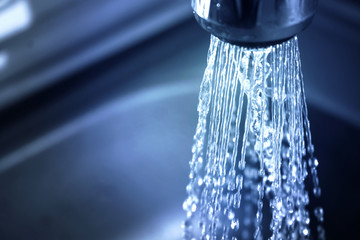
For water, we should practice using half-flush for liquid waste and full flush only for solid waste. This is because many people use full flush for liquid waste, thus wasting lots of water. Next, to save even more water, we can practice collecting laundry water and use them to flush the toilet bowl. This helps reduce the need to use fresh, clean water to flush our toilet bowl, hence it helps decrease our water usage.
By reducing the usage of water and electricity, we can reduce our carbon footprint as there will be less carbon emissions since lesser fossil fuels are burned to produce electricity and lesser water is pumped to our houses. For more tips, visit the National Environmental Agency's (NEA) and Public Utilities Board's (PUB) website to find out how you can save electricity and water.
Goal 2
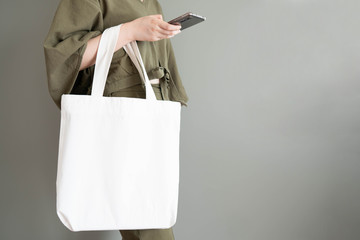
When shopping outside, do bring your own reusable bags such as tote bags to store items and buy products that are packaged with eco-friendly or recycled materials. This reduces the need for plastic bags thus reducing plastic waste as a trillion single use plastic bags are used every year, and most of the plastic bags and packaging end up as waste in the oceans or on landfills despite efforts to recycle them.
Secondly, buy things that are essential and last longer. This is because many people buy things that are unneccessary and in turn generate a lot of waste when they do not use and throw these items away. Therefore, it is important to shop wisely by asking yourself a few question, such as "Do I really need it, is it a want or a need" or "Do I already own similar items?"
With these tips, I am sure we can reduce our waste by making an effort to bring a reusable bag, buying products that are packaged with eco-friendly materials and also purchasing items that you truly need.
Goal 3
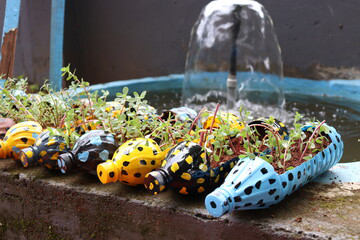
Upcycling, also known as creative reuse, is the process of transforming by-products, waste materials, useless, or unwanted products into new materials or products perceived to be of greater quality, such as artistic value or environmental value.
We can help reduce waste by practicing upcycling used products so that these products can have a second life as it reduces the amount of waste dumped into landfills when these used products are refurbished and given a new purpose. If you are still unsure of how to start, you can search on the internet, as there are many upcycling ideas and tips that you can follow. Do give it a try! If not, scroll down to see some of the upcycling ideas to get started.
For example, I found one upcycling suggestion on the internet where we can actually upcycle used water bottles. We can first cut the bottle into half, and we can then place soil in the inverted top half of the bottle so that plants can be grown in it while the bottom half can be used to store the excess water from the watering. This can save your money as you do not need to buy pots to grow plants while upcycling these bottles.